CC CONSERVATIVECONNECT CONSERVATIVECONNECT

Jefferson Bartlett

@jeffersonbartlett
8Posts

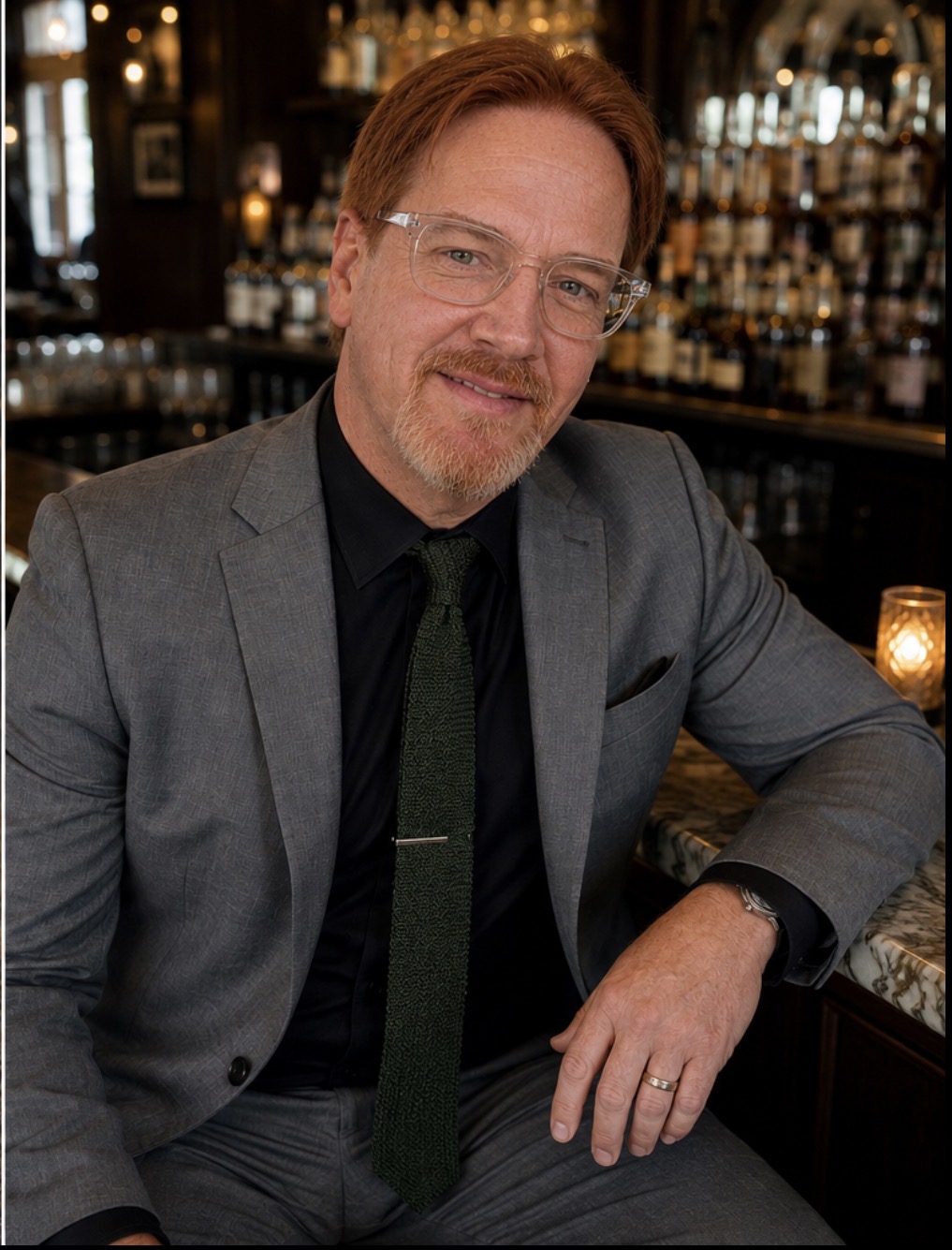
Hello! This is the Conservative Connect home of Jefferson Bartlett, author of “Atonement in Blood” and the entire Bryan Black anthology. Welcome!

Message

The Old West didn’t shut down when the sun went down.

In a frontier town, evening could mean the beginning of the busiest part of the day. Saloons filled up. Faro tables opened. Hotels took in late arrivals. Horses needed feeding, stage passengers needed beds, and men coming off the trail finally had money in their pockets.

And there was no flipping on the streetlights.

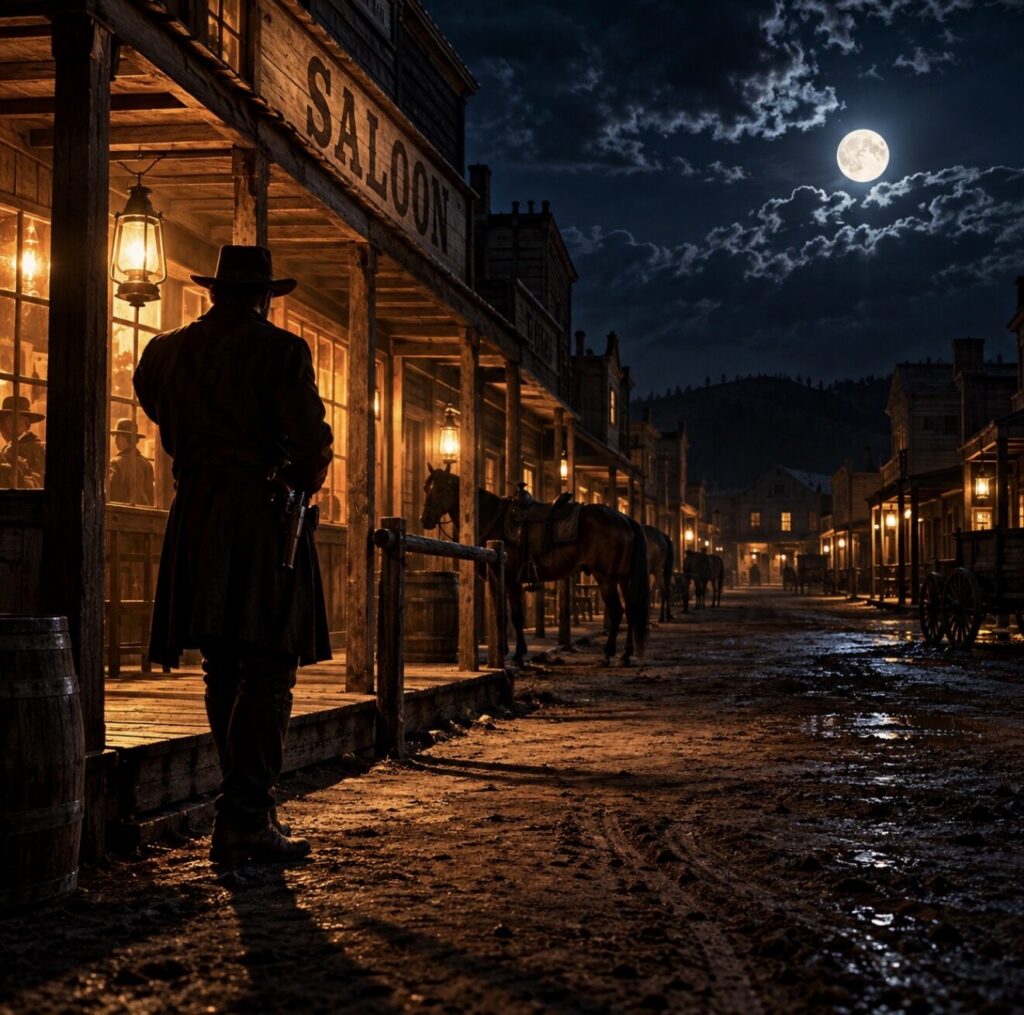
After dark, the West was lit by kerosene lamps, candles, lanterns, moonlight, and whatever spilled through the doors and windows of businesses still open.

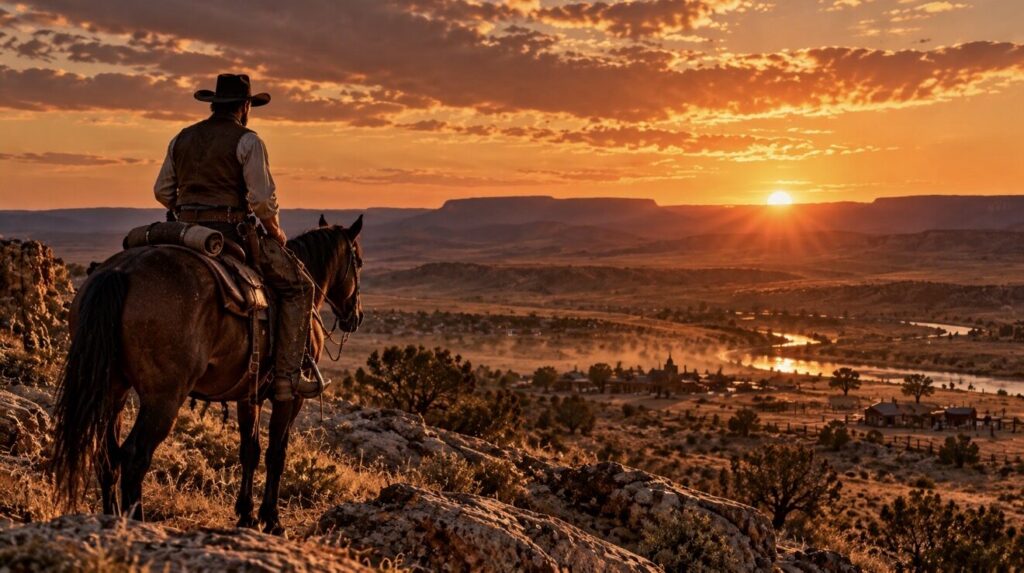
It’s easy to picture the Old West in bright desert sunlight.

But a whole lot of its stories happened after dark.

— 𝑱𝒆𝒇𝒇𝒆𝒓𝒔𝒐𝒏 𝑩𝒂𝒓𝒕𝒍𝒆𝒕𝒕

History remembers the famous names.

Billy the Kid, Jesse James, Butch Cassidy, Wyatt Earp, Doc Holliday, Wild Bill Hickok, Kit Carson, Calamity Jane, Buffalo Bill Cody, Belle Starr, Bat Masterson, Billy Dixon, Pat Garrett, Bass Reeves, John Wesley Hardin, Tom Horn, Deacon Jim Miller, and so many others, both famous and infamous.

I’m much more interested in everybody else.

The deputy who knows he’s outmatched but stands his ground anyway because the cost of not doing so is way too steep.

The ranch hand who rides toward trouble instead of away from it when all hell is breaking loose.

The woman who refuses to become what the world has done to her. Who rises up against oppression and antiquated gender norms. Who doesn’t believe that a woman can “only” be a wife, a teacher, a nurse, a saloon girl, or a prostitute.

I’m talking about the ordinary, everyday people who discover, usually at the worst possible moment, exactly what they’re made of.

That’s the country I like writing about.

It’s the country behind 𝑨𝒕𝒐𝒏𝒆𝒎𝒆𝒏𝒕 𝒊𝒏 𝑩𝒍𝒐𝒐𝒅, behind 𝑩𝒓𝒊𝒂𝒏 𝑩𝒍𝒂𝒄𝒌, and behind the people of 𝑾𝒂𝒉𝒊𝒏𝒆, 𝑻𝒆𝒙𝒂𝒔 in 1893.

History sets the stage.

I get to create the players who walk onto it.

I like that arrangement!

— 𝑱𝒆𝒇𝒇𝒆𝒓𝒔𝒐𝒏 𝑩𝒂𝒓𝒕𝒍𝒆𝒕𝒕

Josephine Downing
Josephine Downing 2 days ago

Wow nice picture it look so beautiful and amazing

The West Was A Lot Quieter Than Hollywood Would Have You Believe

One thing Western movies almost always get wrong is the level, volume and amount of sound there was.

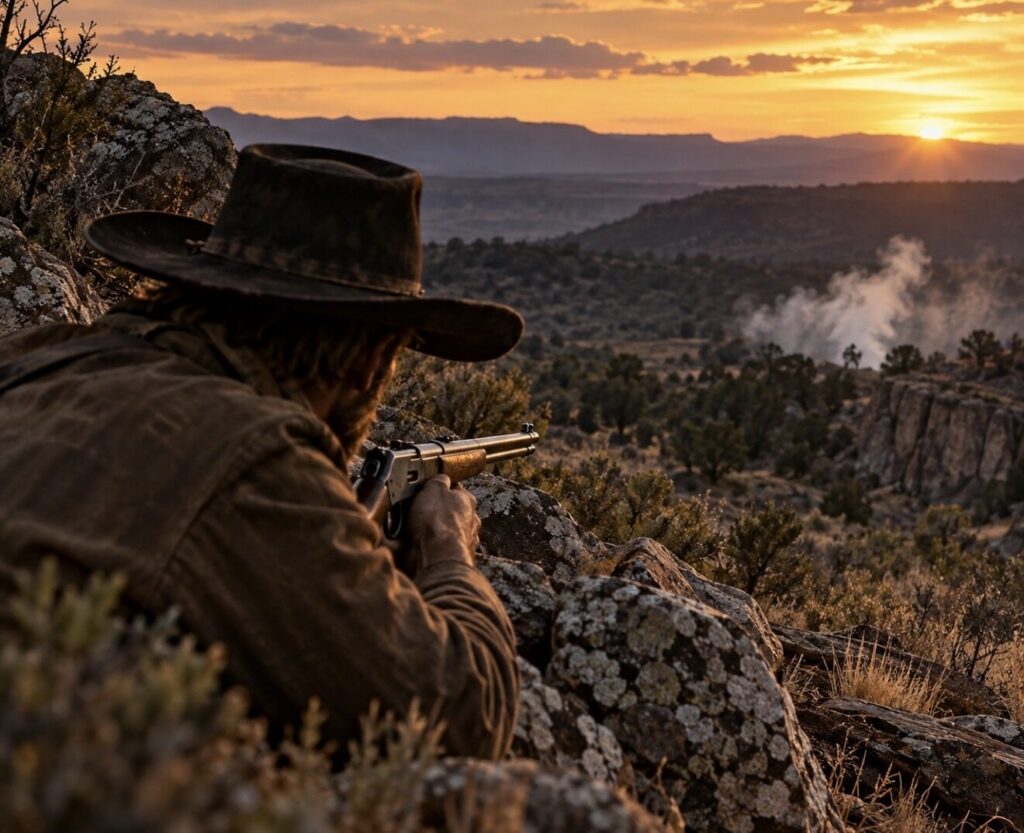
A gunfight wasn’t filled with endless shooting. It was two shots and often just one. Sure, there were times when two drunks went at it and “fanned” the hammers on their revolvers to make them fire multiple shots, and in most cases that instability meant that both guys emptied their guns and hit nothing but the walls, ceiling, floor and/or bar.

A Colt held six rounds. A Winchester held anywhere from 5 to 21 cartridges. Reloading took time. Ammunition cost good money that wasn’t easy to come by.

Every shot you fired could tell everyone within earshot exactly where you were.

Sometimes they didn’t even need to hear you because black powder left a cloud hanging in the air, marking the place a shot had come from.

Fire from cover, and that white-gray smoke could point straight back at you.

Out on the frontier, silence wasn’t emptiness so much as it was information.

A horse suddenly refusing to move or rearing up on its hind legs.
A dog barking where no dog should be.
Birds fleeing the brush all at once.
The unmistakable sound of a Winchester lever being worked, or a Colt’s hammer being cocked, somewhere out there beyond your sight.

The dangerous man wasn’t necessarily the one making noise.

Sometimes that man was the reason all the other noise had stopped.

— Jefferson Bartlett

People tend to romanticize the Old West after dark.

Lantern light spilling from a saloon window.

A piano playing somewhere down the street.

Horses tied to a rail.

Men in hats leaning against a wall.

It sounds almost peaceful.

But once the sun went down, darkness in the 19th-century West could be very, very dark.

No streetlights in most places.

No headlights.

No glowing neon signs.

No phone in your pocket, or anywhere else for that matter, except maybe the mayor’s office, sheriff’s office or doctor’s office if it was the tail end of the Victorian age.

If you stepped beyond the reach of a kerosene lamp and you could disappear into blackness within just a few yards.

That meant every sound mattered.

A horse snorting.

Boot heels on wood.

A door opening behind you.

The metallic click of something you couldn’t quite see.

Men weren’t necessarily more fearless back then.

They simply lived in a world where fear was often a useful survival tool.

Sometimes it was the thing that kept you alive.

As long as you could control it and not panic.

— Jefferson Bartlett

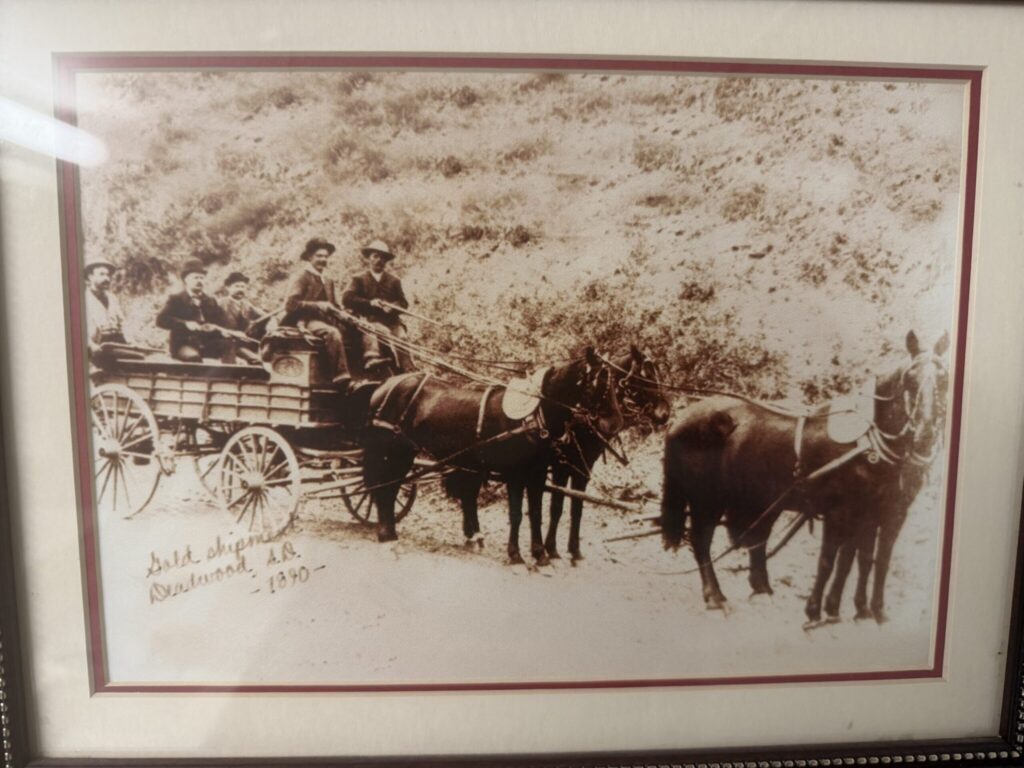
Deadwood, South Dakota — 1890.

This Wells Fargo treasure wagon is carrying $250,000 in gold bullion from the Great Homestake Mine — more than $9 million in today’s money.

The surviving record doesn’t say where this particular shipment was headed. It may ultimately have been bound for a center like Denver. Today that’s about 375 miles by road; in 1890, a shipment might travel roughly 290 miles overland to Cheyenne, then continue south by rail.

Black Hills Gold later became famous as the yellow, green, and rose-colored jewelry many of us remember from tourist shops. I used to see it everywhere as a kid in Gatlinburg and Pigeon Forge.

But before it became souvenir jewelry, this was the other end of the story:

Five armed men, an open wagon, a team of horses, and more than $9 million in modern buying power headed out of Deadwood into a very uncertain future.

Truly, they were men of mettle, grit, and pluck.

You have to admire that.

— Jefferson Bartlett

The Old West had plenty of men who could draw fast and shoot straight.

The marshal, the sheriff, the clean-cut “good man” in the white hat riding into town to set things right — Hollywood and dime novels have wrung that character dry. At this point, he doesn’t interest me much.

What interests me are the men who understood exactly what pulling that trigger might cost them.

Not gunfights for spectacle. Not spotless heroes with clean consciences, pressed shirts, polished boots, and some convenient certainty about who deserves killing.

That isn’t the West I want to write.

I’m interested in ordinary, damaged, stubborn people who know fear, know regret, know what it means to bury someone they loved — and still step forward when every sensible instinct tells them to turn around.

Men and women who have already made bad choices. Already crossed lines they can’t uncross. Already done things they’ll carry to the grave. People who don’t get to pretend they’re righteous, but who still have to decide whether there’s anything left in them worth saving.

Everybody likes to imagine they’re that person.

Everybody thinks they’d stand their ground when the moment came.

Most people never find out.

And some find out they were wrong.

Sometimes redemption looks like mercy.

Sometimes it looks like forgiveness.

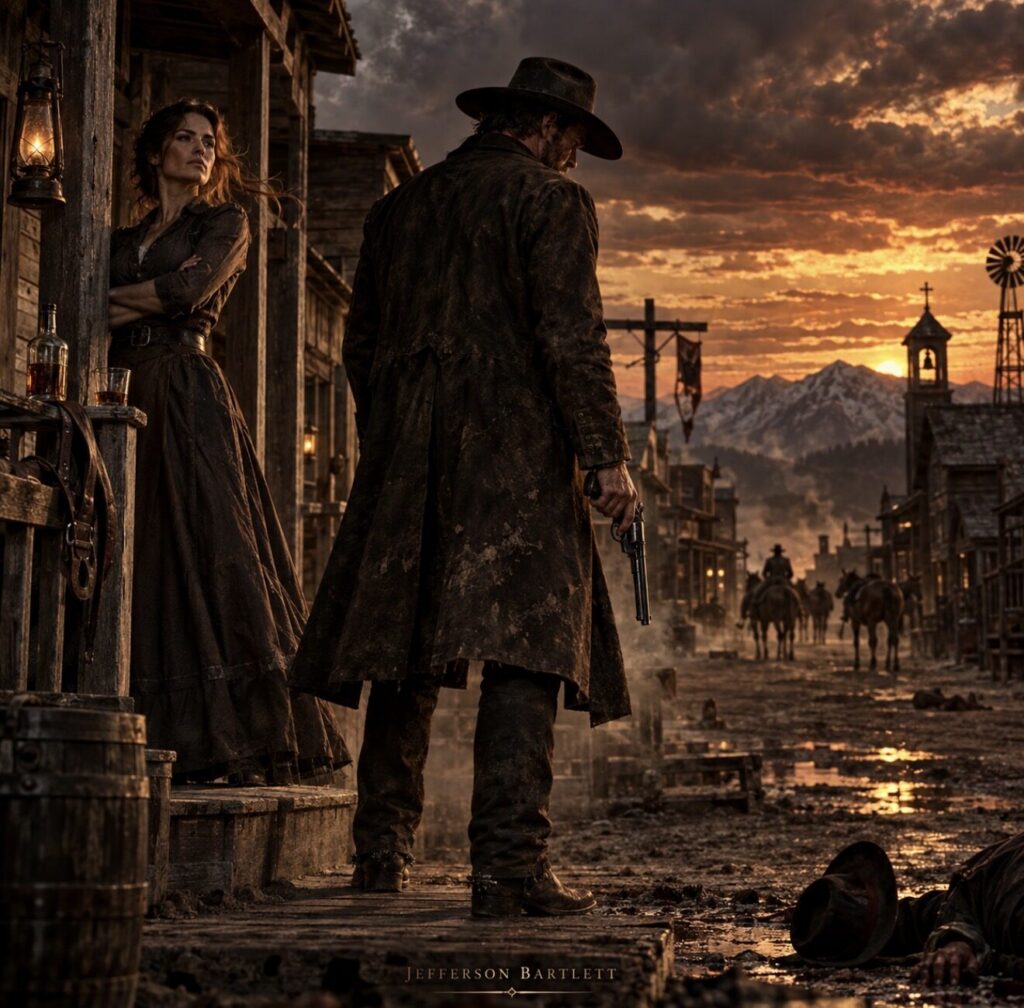
And sometimes redemption looks like standing alone in the middle of a muddy street at sundown, rain coming down hard enough to sting your face, knowing exactly what’s bearing down on you like a runaway train — and refusing to move.

Not because you think you’re going to win.

Not because you think you’re going to live.

Because there are moments when walking away costs more than dying.

“Atonement in Blood” is built around that question:

How much blood does it take to pay for the blood already spilled?

— Jefferson Bartlett

Some men spend their whole lives trying to become harmless.

Brian Black never had that luxury.

He learned early that the world can be cruel, unfair, and occasionally downright murderous. So he became the kind of man who could survive it.

That does not make him a hero.

It does not make him a villain either.

It makes him dangerous when he has to be, loyal when it matters, and painfully aware that every violent thing a man does leaves something behind.

ATONEMENT IN BLOOD is a story about what happens after the gun smoke clears—when surviving is no longer enough, and a man has to decide whether redemption is something he still deserves.

1893 is coming.

And Brian Black has a great deal to answer for.

Meet Brian Black.

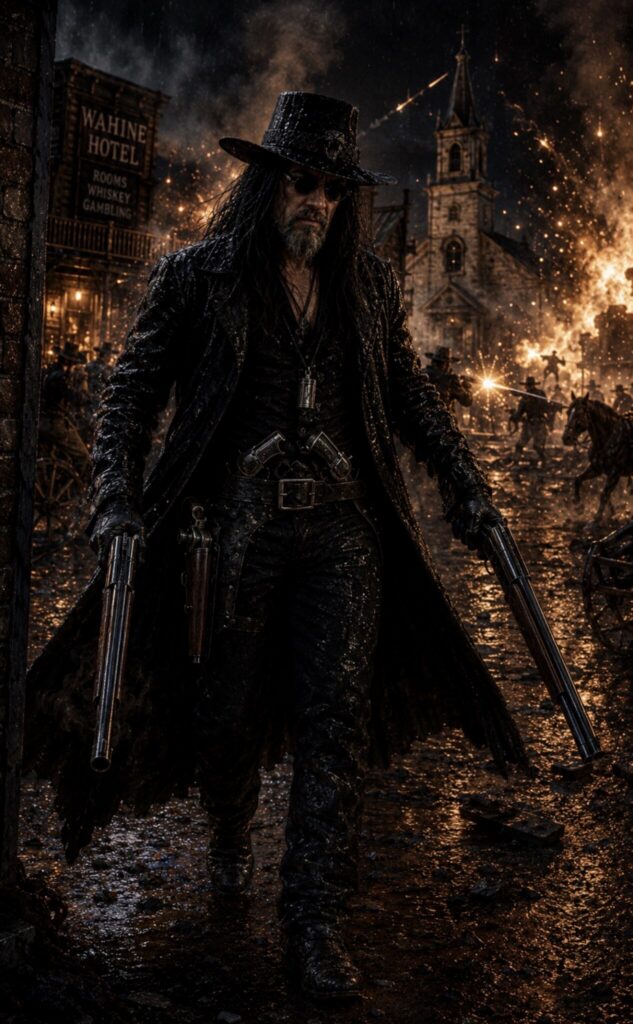
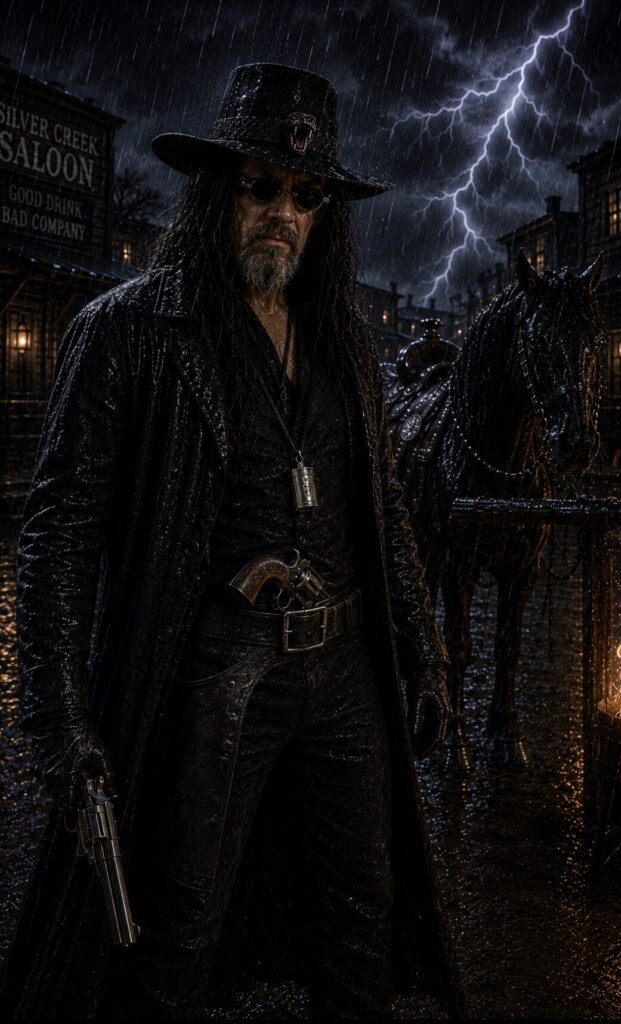
In “Atonement in Blood,” Black is a man with a past he cannot outrun and a reputation that tends to arrive before he does. Once known as Douglas Parker, he left that name—and much of the man who carried it—behind. He has survived violence, loss, betrayal, addiction, and more than one situation that should have killed him. For years, some thought they had.

By 1893, the man emerging from those experiences is something different.

Born on the bayou, Brian can be warm, friendly, bright, and fiercely intelligent. He is a man of few words, but an easy smile and genuine kindness are never far beneath the surface—until they are.

When the situation changes, so does Black. He can become dead silent, cold as steel, extremely resourceful, and as ruthless as a cottonmouth. He carries a LeMat, an uncommon weapon, an uncommon tolerance for pain, and an uncanny ability to make a minute do the work of an hour. He has his own hard, unyielding code of justice. He can be merciless when circumstances demand it and fiercely protective of the people he considers his own.

He is neither a traditional hero nor an outlaw looking for absolution. He is a complicated man.

Black gave up on Heaven long ago, and he isn’t particularly worried about Hell, as long as he can take as many cruel, heartless, lawless, violent, ruthless bastards who maim, murder, and oppress innocent folks with him as he can. He is trying to leave the world a little safer for good people than he found it. And just maybe, if he survives, he can finally put Brian Black behind him for good.

This may be the closest thing to redemption he can ever expect, and it may be far less attainable than he realizes. But Black’s code tells him that a man’s reach should exceed his grasp, and that a better world is worth the effort.

Brian Black stands at the center of “Atonement in Blood,” a Western novel about violence, loyalty, love, conflict, pain, moral consequence, and redemption that should cost him something, but just might cost him everything.

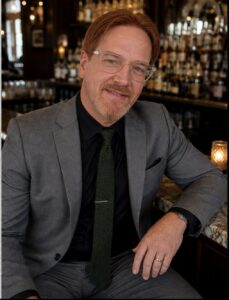
GET TO KNOW ME

Jefferson Bartlett’s Profile

A few quick answers from their Conservative Connect profile.

Conservative Meter8 / 10
Favorite PresidentJefferson
Drink of Choice☕ Coffee
🔥
WHAT MATTERS MOST

Top Issues

💬 Free Speech💰 Fiscal Responsibility🔫 Second Amendment🚧 Border Security🗳️ Election Integrity🇺🇸 America First📈 Free Markets🪖 National Defense👨‍👩‍👧 Parental Rights🎓 School Choice
⚡
THIS OR THAT

Quick Takes

Reagan or Trump?Reagan
Small Town or Big City?Small Town
Mountains, Beach or Lake?Mountains
Taylor Swift or Morgan Wallen?🤠 Morgan Wallen
Jordan or LeBron?Jordan
Dogs or Cats?Dogs
Miami or Nashville?Nashville
Cowboy Boots or OnClouds?Cowboy Boots
Chick-fil-A or Texas Road House?Texas Road House
Bass Pro Shop or Target?Bass Pro Shop
🏈
FAVORITE TEAMS

Sports

NFLNew Orleans Saints
MLBBoston Red Sox
COLLEGELSU Tigers Football
No videos yet.